- Home
- Damage Guides
- Selling a Seattle House After Water Damage or Mold
Selling a Seattle House After Water Damage or Mold
A past leak or a mold job can make sellers nervous. Handled openly, with good records, it rarely stops a sale.
Disclosure comes first
Washington sellers complete a disclosure form that asks about water intrusion and other known conditions. This is general information, not legal advice, so talk with your agent or an attorney about what your situation calls for. In general, being open about past problems and how they were fixed builds trust with buyers.
What buyers' inspectors look for
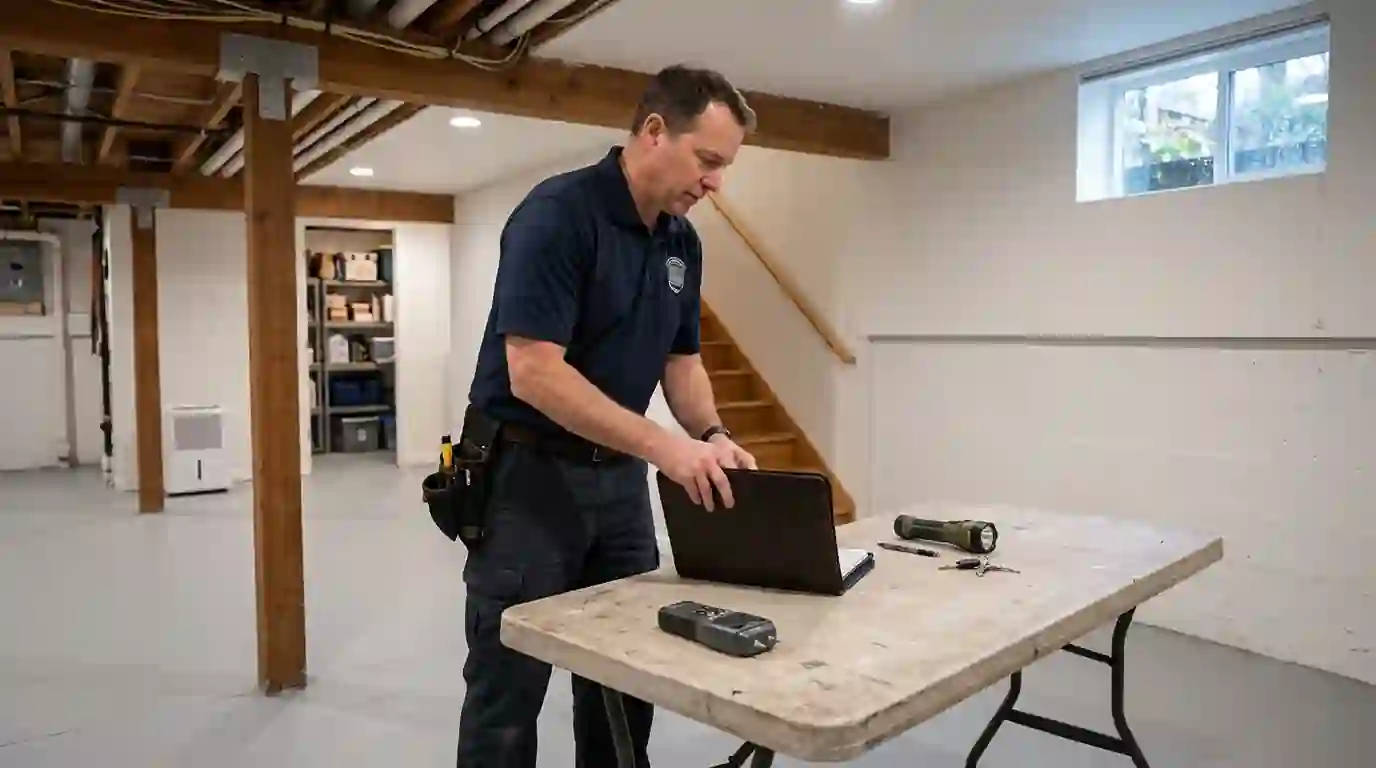
Inspectors check basements, crawlspaces, attics and under sinks with moisture meters and flashlights. Stains, fresh paint in odd places and musty smells all get noted. A repaired area with dry readings and records behind it reads very differently from an unexplained stain.
Paperwork that helps
Keep the drying log, before and after photos, the repair invoice and any mold clearance report. Buyers and their inspectors want to see that the source was fixed and the area was confirmed dry or clean.
Fix the cause before listing
A fixed downspout, a new vapor barrier or a replaced supply line is often cheap compared with the price discount buyers ask for when the cause is still unknown.
Checklist
- Disclose past water or mold issues honestly
- Gather drying logs and photos
- Keep repair invoices and clearance reports
- Fix the moisture source before listing
- Expect inspectors to use moisture meters
Related services
Mold Clearance Testing
Post-remediation testing that shows the work is done before walls close.
See mold clearance testingMold Inspection
A visual and moisture-meter inspection to find mold and the water feeding it.
See mold inspectionWater Damage Repair
Walls, floors, trim and paint put back after drying, by the same crew.
See water damage repair