- Home
- Restoration
- Crawlspace Water Removal
Crawlspace Water Removal in Seattle, WA
Standing water under the house pumped out and the crawlspace dried.
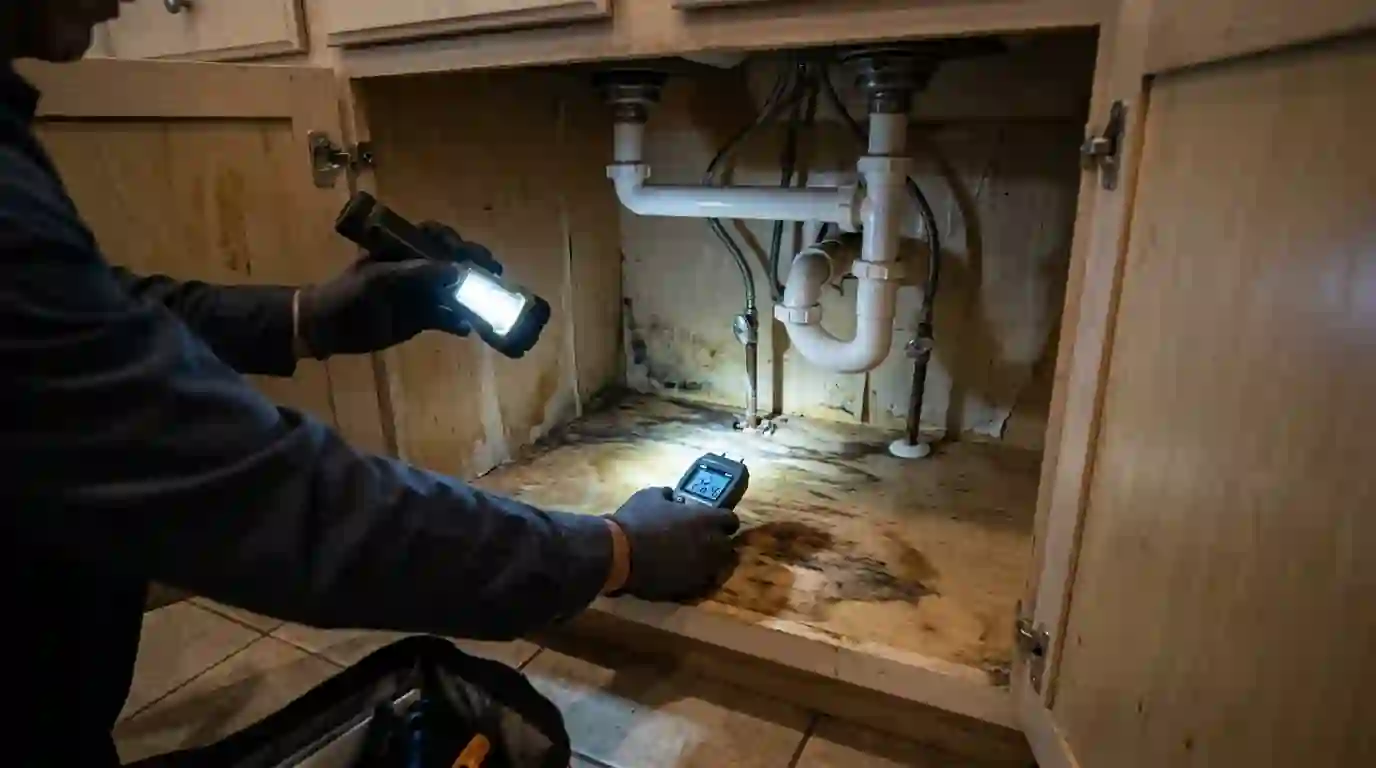
Most Seattle houses sit on a crawlspace, and a wet crawlspace feeds moisture into everything above it.
Most Seattle houses sit on a crawlspace, and a wet crawlspace feeds moisture into everything above it. Crawlspace water removal gets standing water out, pulls out fallen insulation and dries the joists before rot or mold takes hold.
Most water losses we see in Seattle are not dramatic. They are a supply line, a seal or a valve that let go quietly. The damage is in the places nobody looks: under the pad, inside the bottom plate and in the subfloor.
Signs you need crawlspace water removal
- Standing water when you open the crawlspace hatch
- Fiberglass insulation hanging down or lying in the dirt
- A torn or flooded vapor barrier
- Floors that feel damp or cold, or a musty smell indoors
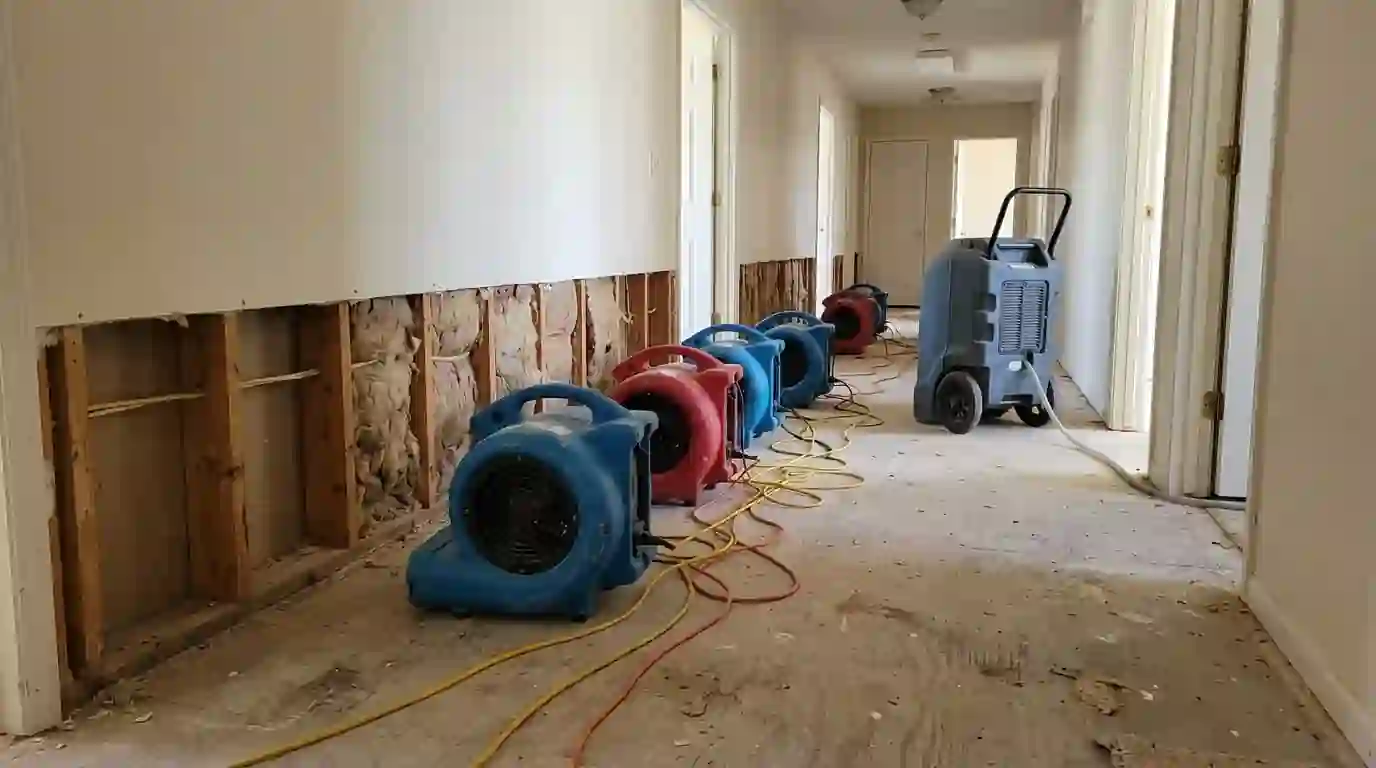
What our crew does
- Pump standing water from the low points
- Remove wet insulation and damaged vapor barrier
- Dry joists and sill plates with dehumidifiers
- Check for wood rot and early mold on the framing
- Recommend drainage, a sump or encapsulation if water returns
Drying is a measured process. We set goals from dry rooms in your own house and read the same points every day, so the equipment comes out when the numbers say so, not when the surface looks fine.
Crawlspace Water Removal in Seattle homes
Seattle crawlspaces stay damp from October through April. A failed downspout or a missing gutter splash block is enough to put standing water under a house on a long rain week.
We take these calls across the city and the region, from Queen Anne, Capitol Hill, Bellevue, Shoreline, Renton and beyond. See the full list of Puget Sound areas we serve.
Questions about crawlspace water removal
Is water in a crawlspace normal in Seattle?
A damp crawlspace is common, but standing water is not. It usually points to drainage, a gutter problem or a plumbing leak.
Does crawlspace water cause mold upstairs?
Moist air rises from the crawlspace into the house. Over time it can cause musty smells and mold on cold surfaces.
Do you replace crawlspace insulation after water removal?
Wet insulation is removed. It can be replaced once the space is dry, often as part of a vapor barrier or encapsulation job.
Services that often go with this one
Crawlspace Mold Remediation
Mold on joists and subfloor cleaned, with the damp crawlspace corrected.
See crawlspace mold remediationCrawlspace Encapsulation
Heavy liners, sealed vents and drying to keep a crawlspace dry for good.
See crawlspace encapsulationInsulation Replacement
Wet, moldy or contaminated insulation removed and replaced.
See insulation replacementWater Damage Restoration
Whole-job water damage service: stop the source, extract, dry, document and rebuild.
See water damage restorationEmergency Water Extraction
Standing water pumped and vacuumed out fast, day or night, before it wicks into walls.
See emergency water extractionStructural Drying
Walls, subfloors and framing dried with metered goals, not guesswork.
See structural drying